

Table of Contents
Google’s Tensor chip architecture represents a major turning point in smartphone processor design. Instead of focusing only on raw performance, Google has built Tensor around artificial intelligence, machine learning, and real-world user experience. This makes Pixel smartphones feel more intelligent, responsive, and adaptive compared to traditional mobile devices.
In this guide, we will break down Google Tensor chip architecture in simple terms and explain how TPU (Tensor Processing Unit) integration plays a key role in making modern AI-powered smartphones possible.
What is Google Tensor Chip Architecture?
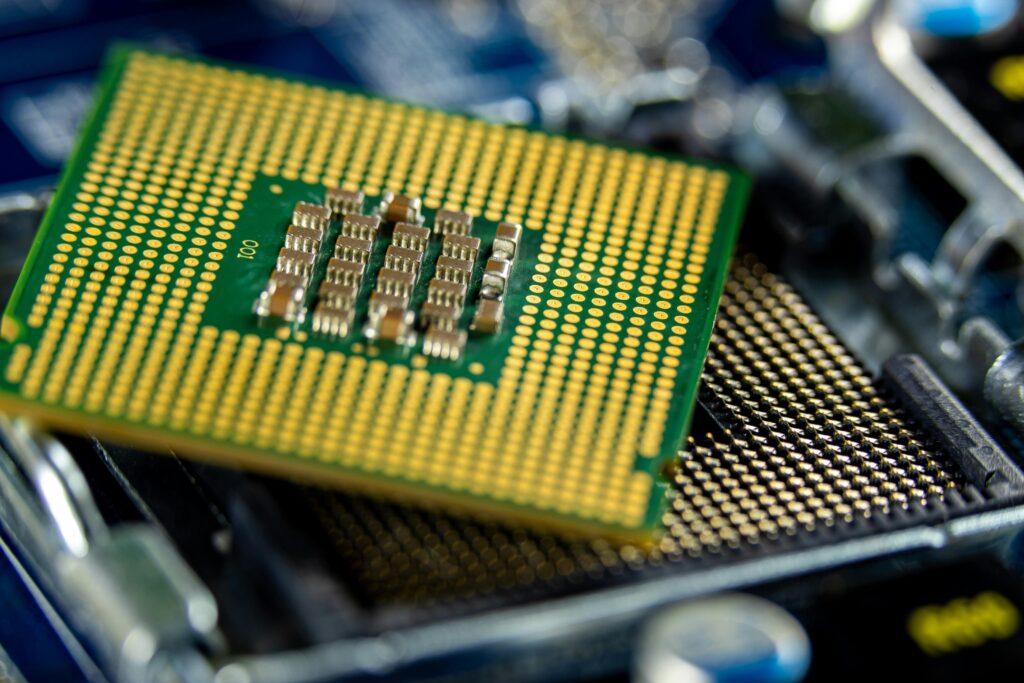
Google Tensor is a custom-designed System on a Chip (SoC) developed specifically for Pixel smartphones. Unlike standard processors that prioritize speed benchmarks, Tensor is built with a clear goal: improve AI-driven features directly on the device. A typical mobile chip includes: CPU for general computing tasks GPU for graphics and gaming ISP for image processing Google Tensor goes further by adding a dedicated AI engine called the TPU, which makes the system more intelligent and efficient. The key idea behind Tensor architecture is task specialization, where each part of the chip handles a specific type of workload instead of relying on one general-purpose processor. Understanding Google Tensor Chip Architecture and TPU Integration Explained
The Core Components of Tensor Chip Architecture To understand Tensor properly, you need to look at its three main processing units:
1. CPU (Central Processing Unit) The CPU handles everyday tasks such as: Running apps Managing system operations Handling background processes Google uses high-performance ARM-based CPU cores to balance speed and efficiency.
2. GPU (Graphics Processing Unit) The GPU is responsible for: Gaming performance Video rendering Visual effects While Tensor GPUs are not always the most powerful in raw benchmarks, they are optimized for smooth visual experiences and energy efficiency.
3. TPU (Tensor Processing Unit) The TPU is what makes Tensor truly unique. It is Google’s custom AI accelerator designed specifically for machine learning tasks.
This unit handles: Voice recognition Language translation Image enhancement Predictive AI features Unlike CPU and GPU, the TPU is built purely for artificial intelligence workloads. What Makes TPU Integration So Important? The integration of TPU inside Tensor chips is the biggest innovation in Google’s approach. Instead of relying on cloud servers to process AI tasks, Tensor performs many of these operations directly on the phone. This is called on-device AI processing.https://xasanguide.com/the-best-street-style-from-paris-fashion-week-spring/
Benefits of TPU Integration: Faster AI responses without internet delay Lower latency for real-time features Better offline functionality This is especially important for features like voice typing, camera processing, and live translation. How CPU, GPU, and TPU Work Together Here is a simple example: taking a photo on a Pixel phone. CPU opens the camera app and processes input GPU handles image rendering and preview TPU analyzes and enhances the image using AI The TPU can adjust lighting, remove noise, improve sharpness, and apply HDR effects instantly. This teamwork allows Pixel phones to produce high-quality images in real time without user effort. Why Google Built Tensor Instead of Using Third-Party Chips Before Tensor, Google Pixel phones used Snapdragon processors from Qualcomm. While those chips are powerful, they were not fully optimized for Google’s AI-focused vision.
Google developed Tensor for several reasons:
1. AI-First Strategy Google wanted a chip designed specifically for machine learning and smart features rather than gaming performance.
2. Better Software-Hardware Integration By controlling both hardware and software, Google can optimize Android and Pixel features more deeply.
3. On-Device Intelligence Tensor allows more processing to happen locally instead of relying on cloud servers.
4. Exclusive Pixel Features Features like Magic Eraser, Live Translate, and Call Screening are powered by Tensor’s AI capabilities. Real-World Features Powered by Tensor Chips Tensor architecture is not just technical—it directly impacts how users interact with their phones.
1. Smart Camera Processing Pixel phones use Tensor to improve photos automatically using computational photography techniques.
2. Voice Recognition Google Assistant and voice typing become faster and more accurate due to TPU acceleration.
3. Live Translation Tensor enables real-time translation of speech and text during conversations.
4. Predictive AI Features The system learns user behavior and improves suggestions over time.
5. Security and Privacy Enhancements On-device processing reduces the need to send sensitive data to the cloud. Differences Between Tensor and Traditional Mobile Chips Most smartphone processors, like Snapdragon or Apple A-series chips, focus heavily on raw CPU and GPU performance. T
ensor takes a different approach: Feature Traditional Chips Google Tensor Focus Speed and gaming AI and machine learning AI processing Mostly cloud-based or general Dedicated TPU on-device Camera processing ISP-based AI-enhanced computational photography User experience Performance-driven Intelligence-driven This shows that Tensor is not competing in the same category—it is redefining what a smartphone chip should prioritize. Performance and Efficiency Trade-Offs While Tensor chips are highly innovative, they also come with some trade-offs. Strengths: https://ensaluddigital.gob.do/googles-self-designed-tensor-chips-will-power-its-next/
Excellent AI performance Fast real-time processing Deep Pixel integration Improved user experience Weaknesses: Not always best in gaming benchmarks Can consume more power than competitors Thermal performance still improving Google continues to refine each generation to balance efficiency and performance better. Evolution of Tensor Chips Google has been improving Tensor with each generation.
Early versions focused on establishing AI capabilities, while newer versions aim to improve efficiency and speed. With each update, improvements are seen in: Better machine learning performance Improved power efficiency Enhanced camera processing More advanced AI features This steady evolution shows Google’s long-term commitment to AI-driven mobile computing.
The Future of Tensor Architecture The future of Tensor chips is closely tied to the future of artificial intelligence. We can expect: More powerful on-device AI models Faster real-time assistant responses Improved energy efficiency Advanced generative AI features on smartphones Deeper integration between hardware and Android As AI becomes more important in daily life, Tensor chips are likely to play a major role in shaping next-generation mobile experiences.
Final Thoughts
Google Tensor chip architecture is not just another mobile processor design—it represents a shift in how smartphones are built and used.By integrating TPU technology directly into the chip, Google has created a system that prioritizes intelligence over raw speed.This approach allows Pixel phones to deliver smarter photography, faster voice recognition, real-time translation, and deeply personalized user experiences.Instead of asking how fast a phone can run, Tensor asks a more important question: how smart can a phone become?And that is what makes Google’s Tensor architecture one of the most important innovations in modern mobile technology.

2 thoughts on “Understanding Google Tensor Chip Architecture and TPU Integration Explained”