


Table of Contents
Introduction to the Future of Technology
Technology is no longer moving slowly—it’s accelerating like a rocket that just left Earth’s atmosphere. Every year brings breakthroughs that once sounded like science fiction, but now they are becoming part of daily reality. From intelligent machines that think and act on their own to quantum systems that solve problems beyond classical computers, the future is arriving faster than most people expected. Reports from 2026 industry forecasts show that AI, robotics, quantum computing, and edge intelligence are the biggest forces driving innovation today. These technologies are not just experimental anymore; they are moving into real-world deployment. That means businesses, governments, and even everyday users will start interacting with them in practical ways. It feels like standing at the edge of a digital revolution that is reshaping how humans live, work, and connect.
Artificial Intelligence Agents (Agentic AI)
AI is evolving from simple chatbots into fully autonomous systems that can perform tasks without constant human instructions. These “agentic AI” systems can plan, decide, and execute complex workflows, almost like digital employees working 24/7. Instead of just answering questions, they can manage emails, run businesses, and even coordinate entire projects. What makes this innovation powerful is independence. Imagine an AI that doesn’t just suggest marketing strategies but actually builds campaigns, tests them, and improves them automatically. This is already being tested in enterprise environments where AI agents are handling logistics, customer support, and financial operations. It’s like having a tireless assistant that never sleeps, never forgets, and constantly improves.
Physical AI and Humanoid Robots
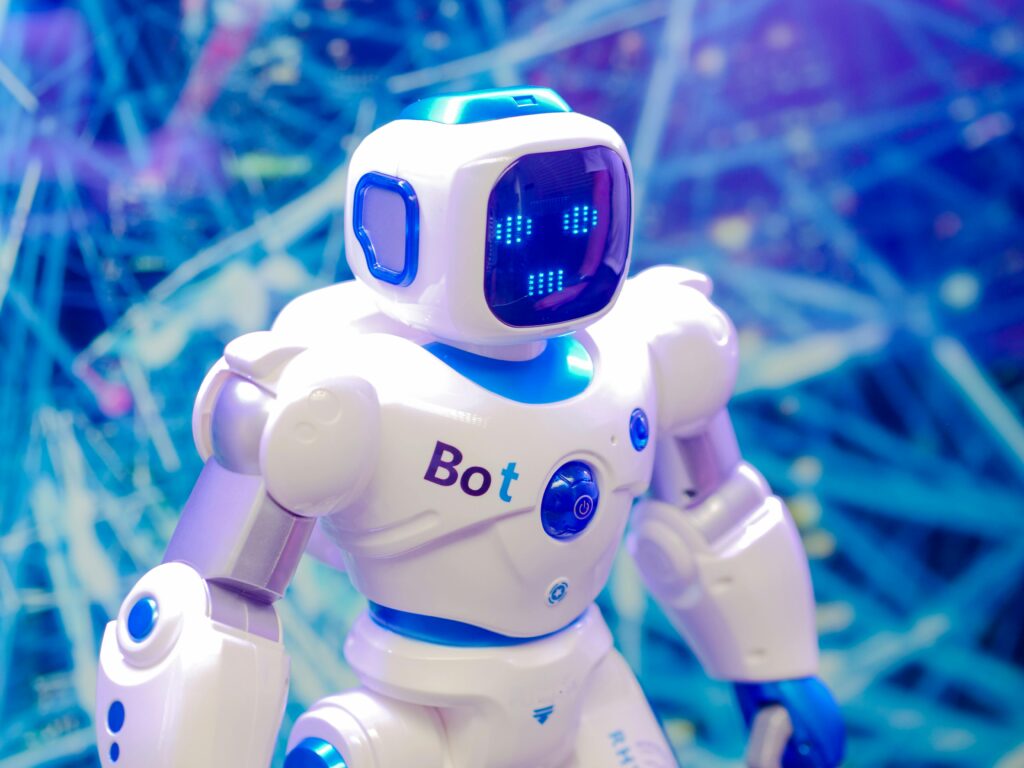
Robots are finally stepping out of factories and into everyday environments. Physical AI refers to machines that can see, think, and act in the real world using advanced sensors and decision-making models. Instead of simple repetitive tasks, these robots can now understand context and adapt to changing environments. In 2026, humanoid robots are being developed for manufacturing, healthcare, and even customer service roles. Companies are testing robots that can assist in warehouses, help elderly patients, and perform dangerous jobs in place of humans. The goal is not replacement but collaboration—robots working alongside people like teammates rather than tools.
Quantum Computing Breakthroughs
Quantum computing is one of the most talked-about innovations of this decade. Unlike traditional computers that use bits (0s and 1s), quantum systems use qubits that can exist in multiple states at once. Although still in early development, experts say quantum computing will transform fields like cryptography, drug discovery, and financial modeling. However, it also introduces risks, especially for current encryption systems, which may become vulnerable in the future. Even though large-scale commercial use is still limited, governments and tech giants are investing heavily in its development.
Edge AI and On-Device Intelligence
Edge AI is changing how data is processed by moving intelligence directly into devices instead of relying on cloud servers. This means your smartphone, smartwatch, or even earbuds can perform AI tasks instantly without internet connectivity. This innovation improves speed, privacy, and reliability. For example, real-time translation, photo editing, and voice assistants can now work offline. It also reduces latency, making devices feel more responsive. In simple terms, your gadgets are becoming smarter without needing to “phone home” all the time.https://xasanguide.com/best-ai-tools-transforming-businesses-in-2026/
6G and Hyper-Connectivity Networks
While 5G is still expanding globally, research into 6G is already underway. This next-generation network promises ultra-low latency and speeds that are far beyond current standards. We’re talking about near-instant communication between devices. This will unlock innovations like fully autonomous smart cities, real-time holographic communication, and advanced remote surgery. Imagine downloading entire virtual environments in seconds or controlling machines across continents without delay. That’s the level of connectivity 6G aims to deliver.
Brain-Computer Interfaces (BCI)
Brain-Computer Interfaces allow direct communication between the human brain and machines. Instead of typing or speaking, users can control devices using thoughts alone. This technology is still emerging, but early applications are already helping people with paralysis regain movement or communication ability. In the future, BCIs could enhance memory, improve learning speed, and create entirely new ways of interacting with technology. It feels like science fiction—but development is progressing quickly.
Clean Energy Tech & Solid-State Batteries
Energy innovation is just as important as digital innovation. Solid-state batteries are emerging as a safer and more efficient alternative to lithium-ion batteries. They charge faster, last longer, and reduce fire risks. This advancement will significantly impact electric vehicles, smartphones, and renewable energy storage systems. Combined with solar and wind energy improvements, it supports the global shift toward cleaner and more sustainable technology ecosystems.
Biotech and AI-Driven Medicine
Healthcare is being transformed by artificial intelligence and biotechnology. AI systems can now analyze medical data faster than human doctors, helping identify diseases earlier and more accurately. Drug discovery is also accelerating, with AI designing new compounds in days instead of years. Personalized medicine is becoming more realistic, where treatments are tailored to an individual’s genetic profile. This could dramatically improve survival rates and reduce healthcare costs.
Conclusion

The next wave of technology is not just about faster devices—it’s about smarter, more connected systems that interact with the physical and digital world simultaneously. From AI agents replacing repetitive work to quantum computers redefining computation, the future is expanding in every direction at once.
What stands out most is convergence. These technologies are not developing separately; they are merging into one ecosystem where AI, robotics, connectivity, and biology work together. The world ahead won’t just be digital—it will be intelligent.
FAQs
1. What is the biggest tech innovation coming soon?
Artificial intelligence agents and physical AI are expected to have the most immediate impact on daily life.
2. Will quantum computing replace normal computers?
No, quantum computers will complement traditional systems for highly complex problems.
3. Are humanoid robots already being used?
Yes, but mostly in testing environments like factories and research labs.
4. When will 6G be available?
Experts expect early deployments around the early 2030s, with research already active.
5. How will AI change healthcare?
AI will improve diagnosis, speed up drug discovery, and enable personalized treatments.


2 thoughts on “Top 10 Tech Innovations Coming Soon”