

Table of Contents
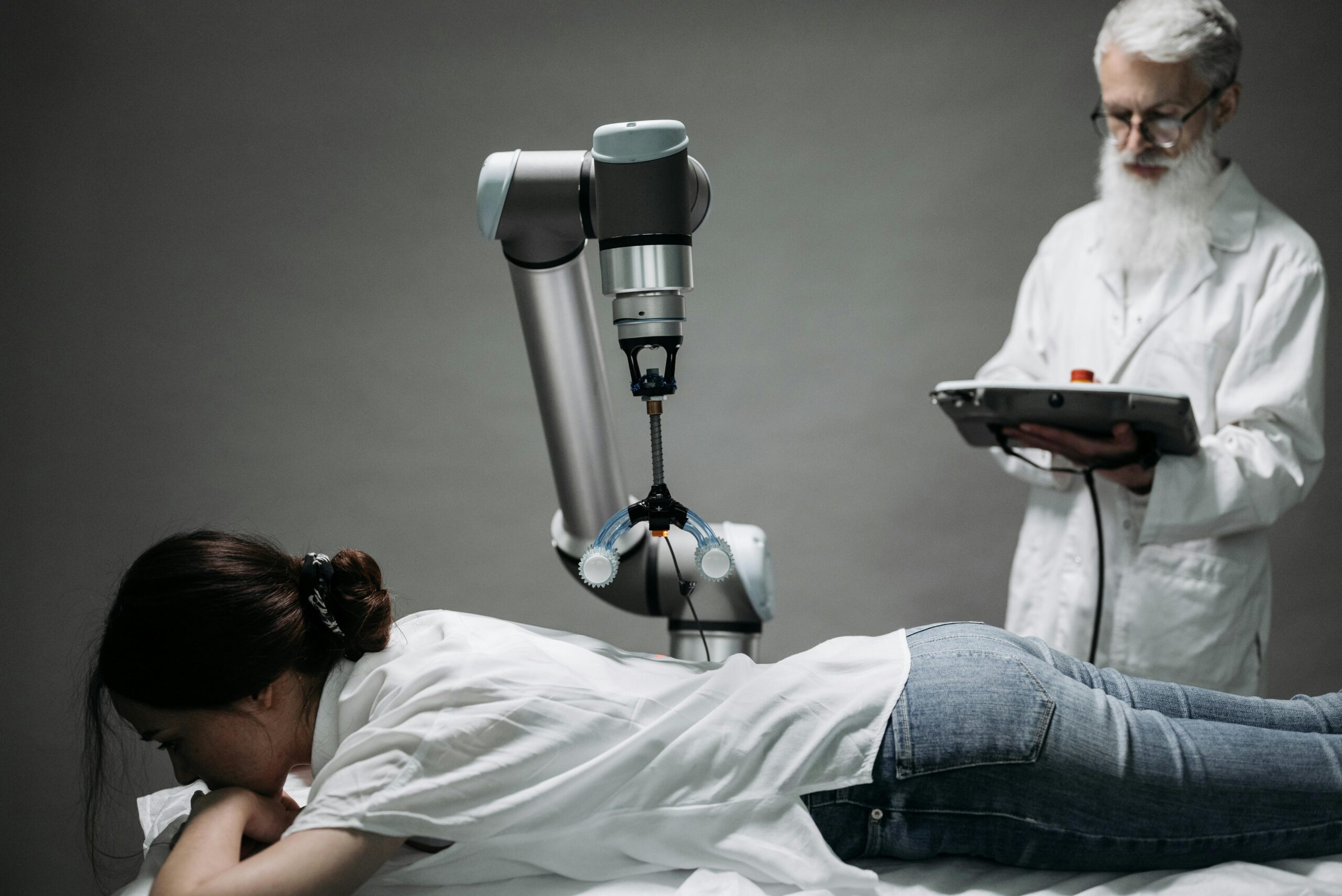
Artificial intelligence is transforming healthcare faster than almost any other industry in the world. Hospitals, clinics, pharmaceutical companies, and research institutions are increasingly using AI-powered technologies to improve patient care, speed up diagnoses, reduce operational costs, and discover new treatments. What once sounded like science fiction is now becoming part of daily medical practice.
The healthcare industry generates enormous amounts of data every single day. Patient records, medical scans, lab results, prescriptions, and research reports create information overload that humans alone struggle to process efficiently.
AI acts like a super-intelligent assistant capable of analyzing massive datasets within seconds and identifying patterns that might otherwise go unnoticed. According to recent industry reports, the global AI healthcare market is expected to grow rapidly through 2026 as hospitals and healthcare providers invest heavily in intelligent systems and automation technologies. How AI Is Changing Healthcare Technology
AI adoption accelerated significantly after healthcare systems recognized the need for faster diagnostics, remote monitoring, and predictive healthcare tools. How AI Is Changing Healthcare Technology The impact of AI goes beyond machines replacing repetitive tasks. It is helping doctors make smarter decisions, allowing patients to receive faster care, and improving medical outcomes worldwide. Healthcare is evolving into a more connected, data-driven, and personalized system powered by artificial intelligence.
The Rise of Artificial Intelligence in Modern Healthcare
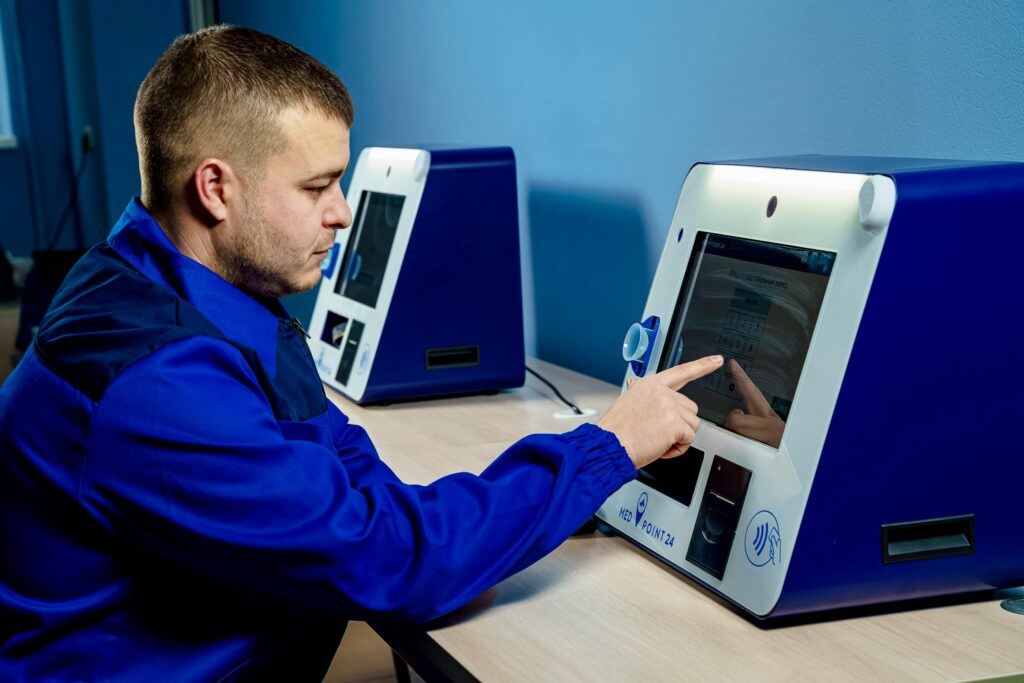
The Rise of Artificial Intelligence in Modern Healthcare Healthcare systems worldwide face growing challenges. Aging populations, rising medical costs, staff shortages, and increasing patient demands are putting pressure on hospitals and medical professionals. AI is becoming one of the strongest tools available to solve these problems.https://xasanguide.com/top-10-tech-innovations-coming-soon/
One of the biggest reasons AI is gaining popularity is efficiency. Medical professionals spend a large amount of time on administrative work such as updating records, scheduling appointments, and processing insurance information. AI-powered systems automate these repetitive tasks, allowing healthcare workers to focus more on patient care instead of paperwork.
Another major factor is speed. In emergency situations, every second matters. AI systems can analyze patient data almost instantly, helping doctors make faster and more accurate decisions.
Think of AI as an intelligent co-pilot assisting healthcare professionals during critical moments. Healthcare organizations are also embracing AI because it reduces human error.
Fatigue, stress, and information overload can affect decision-making. AI systems help identify abnormalities in scans, monitor patient vitals continuously, and provide predictive insights that support better clinical outcomes. Experts believe the healthcare industry is entering a new era where humans and machines work together rather than compete against each other. Doctors are not being replaced by AI; instead, AI is becoming an advanced tool that enhances medical expertise.
AI-Powered Diagnostics Are Improving Accuracy
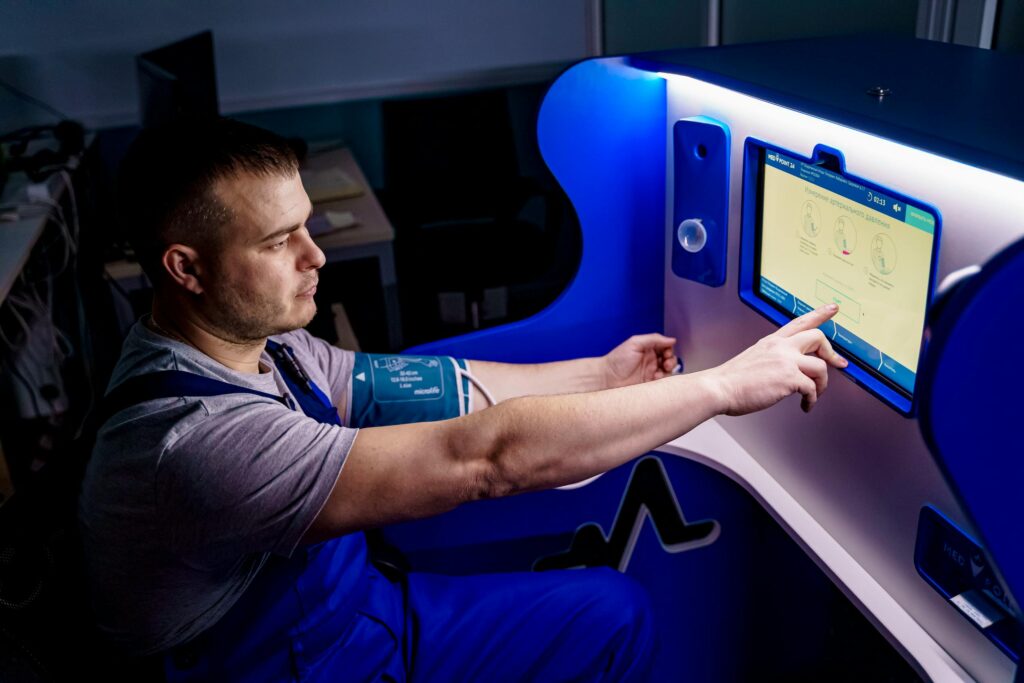
One of the most important ways AI is changing healthcare technology is through diagnostics. Diagnosing diseases accurately and early can mean the difference between life and death.
AI-powered diagnostic systems are helping doctors detect illnesses faster and with greater precision. Medical imaging is one of the biggest success stories in AI healthcare. AI systems can now analyze X-rays, MRIs, CT scans, and mammograms with impressive accuracy.
These systems identify patterns and abnormalities that may be difficult for humans to detect, especially in early disease stages. For example, AI is being used to detect cancers, heart disease, neurological disorders, and lung conditions earlier than traditional methods. In many cases, AI tools can process thousands of medical images in minutes, helping hospitals reduce diagnostic delays.
The real power of AI diagnostics lies in pattern recognition. Human doctors rely on experience and training, but AI systems learn from enormous datasets containing millions of patient records and medical images. This allows AI to recognize subtle warning signs invisible to the human eye. Early detection is especially important for diseases like cancer.
The earlier a disease is found, the better the chances of successful treatment. AI is helping create a future where diseases are identified before symptoms even become severe. AI diagnostic tools are also improving healthcare access in remote regions where medical specialists may not always be available. Cloud-based AI systems can help healthcare workers analyze patient scans quickly and provide recommendations even in underserved communities.
Virtual Health Assistants and AI Chatbots
AI-powered virtual assistants and healthcare chatbots are becoming increasingly common in modern medicine. These systems are changing how patients interact with healthcare providers by offering faster support and improving accessibility.
Virtual assistants can answer common medical questions, schedule appointments, remind patients to take medications, and even monitor symptoms remotely. For patients managing chronic conditions like diabetes or hypertension, AI assistants provide continuous support without requiring constant hospital visits. One major advantage of AI chatbots is availability.
Unlike human staff, AI systems operate 24 hours a day without breaks. Patients can receive assistance anytime, whether they need medication reminders, symptom guidance, or appointment information. Healthcare providers are also using AI assistants to reduce pressure on overloaded medical staff.
Hospitals receive thousands of patient inquiries daily, and AI helps manage routine communication efficiently. The experience feels similar to having a personal health guide available at all times. Some AI systems can even detect emotional distress through voice analysis and recommend mental health support when needed. Although AI assistants are not replacements for doctors, they are becoming valuable support tools that improve patient engagement and convenience.
Conclusion
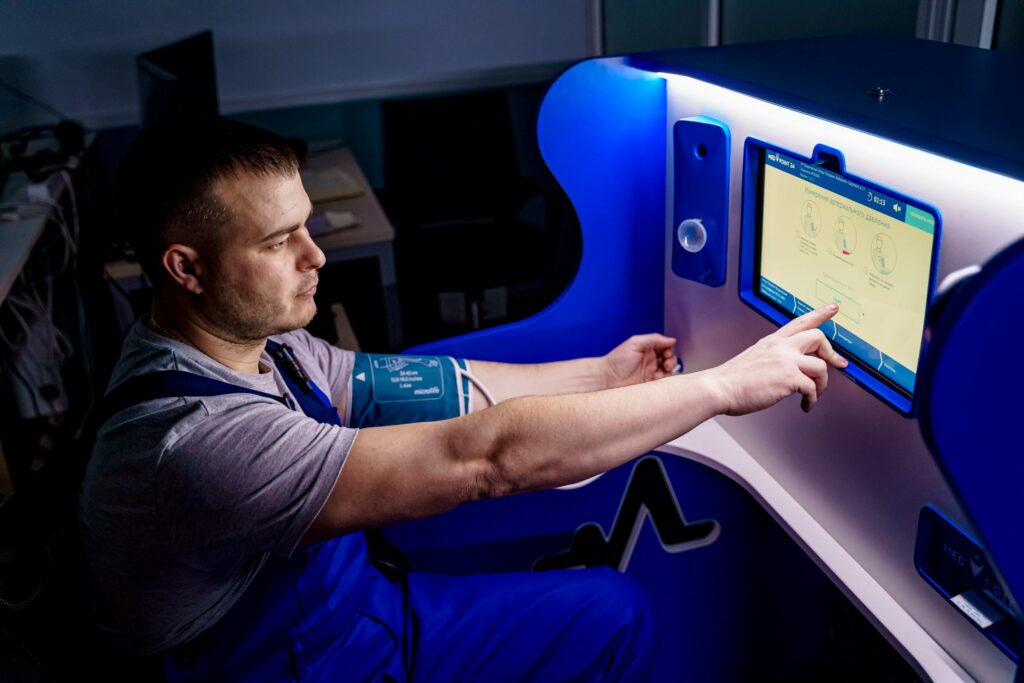
Artificial intelligence is reshaping healthcare technology in ways that were unimaginable just a few years ago. From diagnostics and robotic surgery to personalized medicine and wearable monitoring, AI is helping create smarter, faster, and more efficient healthcare systems. The relationship between humans and machines in medicine is becoming increasingly collaborative. AI provides powerful analytical capabilities while healthcare professionals contribute empathy, judgment, and human understanding. As innovation continues, AI will play an even bigger role in improving patient outcomes, reducing healthcare costs, and expanding access to medical services worldwide. The future of healthcare is intelligent, connected, and driven by artificial intelligence
Frequently Asked Questions About AI in Healthcare
1. How is AI making healthcare better for patients? AI is helping patients receive faster diagnoses, better treatment plans, and more personalized care. Hospitals now use AI tools to detect diseases earlier, monitor patient health in real time, and improve communication between doctors and patients. This means people can often get treatment quicker and with greater accuracy.
2. Can AI really help doctors diagnose diseases? Yes, AI can assist doctors by analyzing medical scans, patient records, and health data much faster than traditional systems. It helps identify patterns and warning signs that may be difficult to notice manually. However, doctors still make the final decisions because human experience and judgment remain extremely important.
3. Is AI replacing healthcare workers? AI is not replacing doctors or nurses completely. Instead, it works like a smart assistant that helps healthcare professionals save time and reduce repetitive tasks. Medical staff can focus more on patient care while AI handles data analysis, scheduling, and administrative work.
4. Are AI healthcare systems safe to use? Most modern AI healthcare systems are designed with strict security and safety standards. Hospitals and technology companies continuously improve cybersecurity measures to protect patient information. Even so, healthcare providers must still monitor AI systems carefully to ensure patient privacy and accurate results.
5. What is the future of AI in healthcare technology? The future looks very exciting. AI is expected to improve robotic surgery, remote patient monitoring, virtual healthcare assistants, and personalized medicine. Experts believe AI will continue making healthcare faster, smarter, and more accessible for people around the world.